
Currently Empty: ₹0.00
Healthcare Technology
How Telemedicine is Reshaping the Future of Healthcare
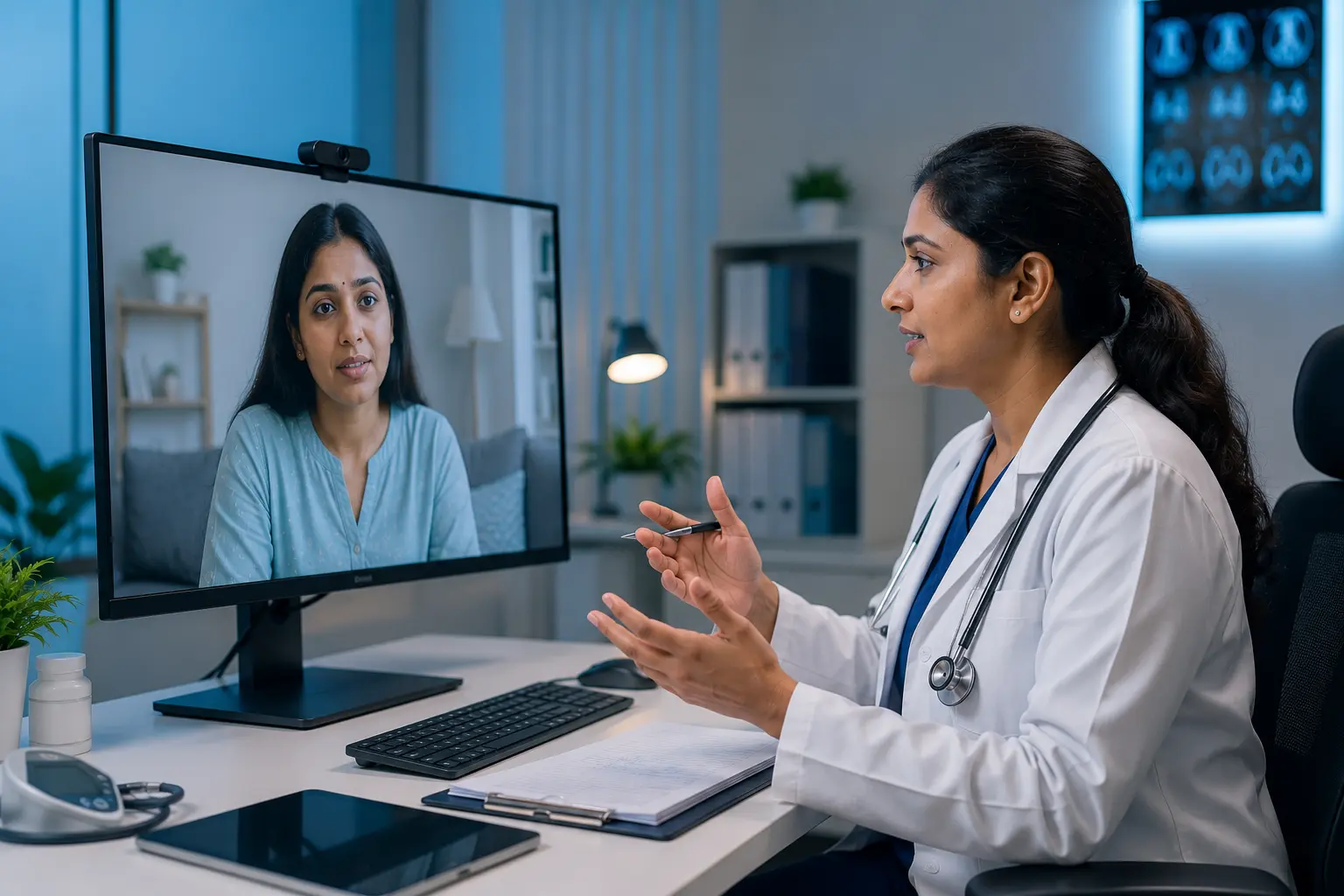
The way healthcare is delivered has changed dramatically over the last few years. One of the most significant developments has been the rapid adoption of telemedicine.
What was once considered a supplementary service has now become an important component of modern healthcare delivery.
Patients increasingly expect convenient access to healthcare services, while healthcare providers are seeking efficient ways to improve accessibility and continuity of care.
Telemedicine is helping bridge this gap.
What is Telemedicine?
Telemedicine refers to the delivery of healthcare services through digital communication technologies.
It allows healthcare professionals to:
- Conduct virtual consultations
- Monitor patients remotely
- Provide follow-up care
- Review reports and investigations
- Offer specialist consultations
Patients can access healthcare services without necessarily visiting a healthcare facility in person.
Why Telemedicine Has Gained Momentum
Several factors have accelerated telemedicine adoption:
Improved Digital Infrastructure
Internet connectivity and smartphone penetration have expanded significantly across India.
Convenience
Patients can access healthcare services from their homes, reducing travel time and associated costs.
Specialist Access
Patients in smaller cities and rural areas can connect with specialists who may not be locally available.
Continuity of Care
Follow-up consultations can often be managed more efficiently through virtual platforms.
Benefits for Patients
Improved Accessibility
Telemedicine helps overcome geographical barriers.
Patients in remote locations can access experienced healthcare professionals without extensive travel.
Reduced Waiting Times
Virtual consultations often provide faster access to healthcare advice and follow-up care.
Greater Convenience
Patients can consult healthcare providers without disrupting work schedules or family responsibilities.
Enhanced Chronic Disease Management
Patients with ongoing conditions can benefit from regular monitoring and consultations without frequent hospital visits.
Benefits for Healthcare Professionals
Telemedicine is not only transforming patient experiences but also creating opportunities for healthcare professionals.
Expanded Reach
Professionals can connect with patients beyond their immediate geographical region.
Improved Efficiency
Digital consultations can streamline certain aspects of patient care delivery.
Flexible Practice Models
Telemedicine allows professionals to integrate virtual care into existing clinical workflows.
Professional Growth
Digital healthcare competencies are becoming increasingly valuable in modern healthcare settings.
The Role of Telemedicine in Specialized Healthcare
Telemedicine is being adopted across various specialties.
Examples include:
Reproductive Medicine
Virtual consultations support patient counselling, treatment planning, and follow-up discussions.
Cardiology
Remote monitoring and virtual follow-ups are becoming increasingly common.
Mental Health
Teleconsultations have significantly expanded access to psychological support services.
Primary Care
Many routine consultations can be managed effectively through digital platforms.
Challenges and Considerations
Despite its advantages, telemedicine is not suitable for every situation.
Certain clinical scenarios still require:
- Physical examinations
- Diagnostic procedures
- Emergency interventions
- Hospital-based treatment
Healthcare professionals must understand when virtual care is appropriate and when in-person evaluation is necessary.
Why Healthcare Professionals Should Learn About Digital Health
Healthcare is becoming increasingly technology-driven.
Professionals who understand:
- Telemedicine platforms
- Digital patient engagement
- Electronic health records
- Remote monitoring technologies
will be better prepared for future healthcare environments.
Digital health literacy is rapidly becoming an important professional competency.
Telemedicine and the Future Healthcare Workforce
Healthcare organizations increasingly seek professionals who can operate effectively in both traditional and digital care environments.
Future healthcare delivery will likely combine:
- In-person care
- Virtual consultations
- Remote monitoring
- Digital health platforms
- AI-assisted workflows
Professionals who adapt to these changes will have a significant advantage.
Final Thoughts
Telemedicine is no longer a temporary trend—it is becoming an integral part of modern healthcare.
By improving accessibility, convenience, and efficiency, telemedicine is transforming how healthcare services are delivered.
For healthcare professionals, understanding digital health and telemedicine is becoming essential for career growth and future readiness.
The future of healthcare will be increasingly connected, digital, and patient-centered—and telemedicine will play a major role in that transformation.