
Currently Empty: ₹0.00
Medical Education
Why Continuous Medical Education Is Essential for Modern Healthcare Professionals
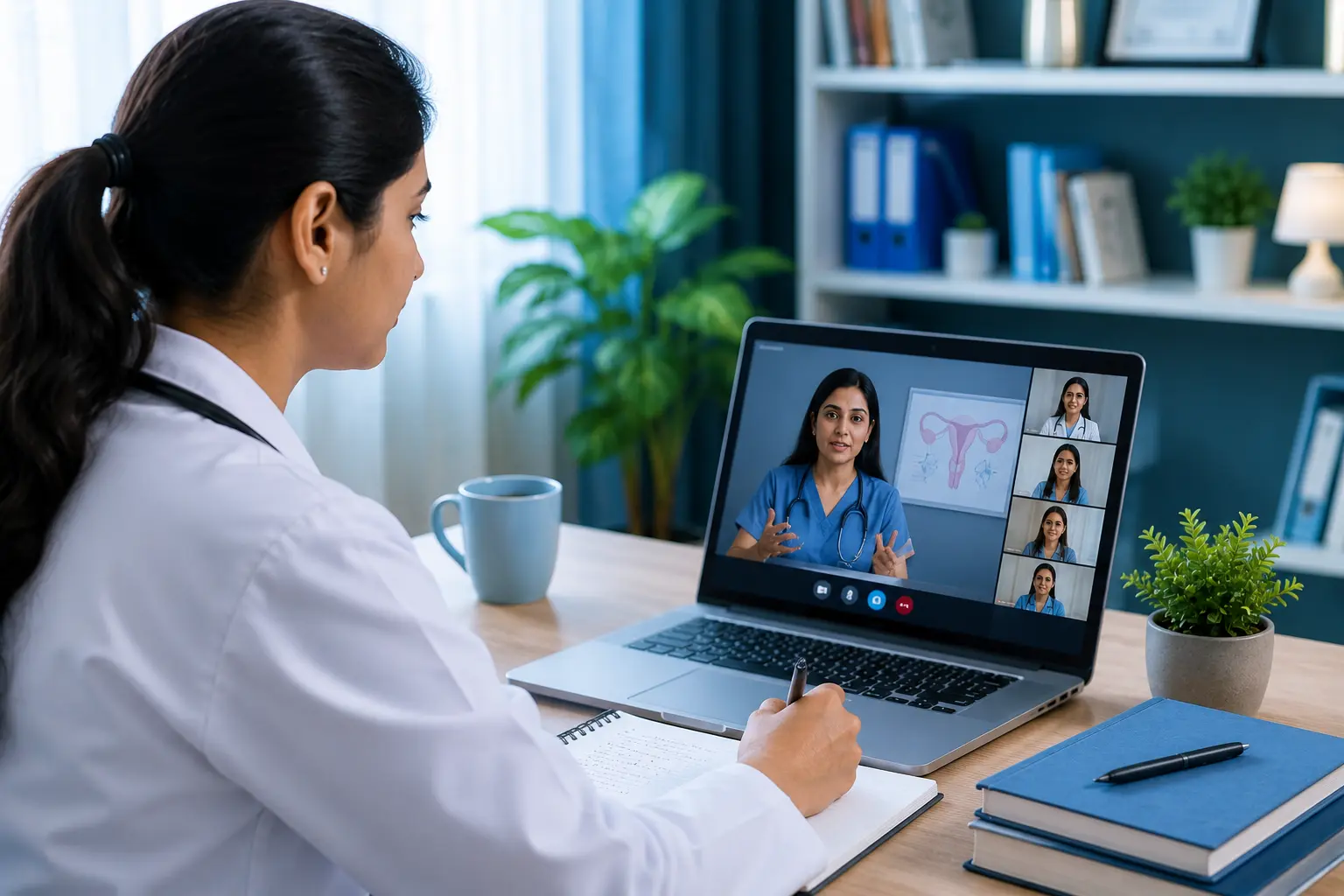
Healthcare is one of the few professions where learning never truly ends. New treatment protocols, emerging technologies, updated clinical guidelines, and evolving patient expectations require healthcare professionals to continuously update their knowledge and skills.
A qualification earned years ago may provide a strong foundation, but maintaining clinical excellence requires an ongoing commitment to learning. This is where Continuous Medical Education (CME) plays a vital role.
What is Continuous Medical Education?
Continuous Medical Education refers to structured educational activities that help healthcare professionals maintain, improve, and expand their knowledge, skills, and professional performance.
CME may include:
- Webinars and virtual learning sessions
- Conferences and scientific meetings
- Fellowship programmes
- Certification courses
- Workshops and hands-on training
- Case discussions and journal reviews
- Simulation-based learning
The primary objective is to ensure healthcare professionals remain current with advances in their field and continue delivering high-quality patient care.
Why Continuous Learning Matters More Than Ever
Healthcare is evolving at an unprecedented pace.
Over the past decade, professionals have witnessed rapid developments in:
- Robotic surgery
- Assisted reproductive technologies
- Artificial intelligence in diagnostics
- Digital health platforms
- Telemedicine
- Precision medicine
- Advanced imaging technologies
Clinical guidelines are also frequently updated as new evidence emerges.
Healthcare professionals who actively engage in continuous education are better positioned to adapt to these changes and provide evidence-based care.
Better Patient Outcomes Begin with Better Learning
Research consistently shows that healthcare professionals who participate in ongoing education demonstrate improved clinical performance and better adherence to evidence-based practices.
Continuous learning helps professionals:
- Improve diagnostic accuracy
- Enhance treatment decision-making
- Reduce clinical errors
- Improve patient safety
- Strengthen communication skills
Ultimately, patients benefit when healthcare professionals remain informed about the latest developments in their specialty.
The Growing Importance of Specialization
Healthcare delivery is becoming increasingly specialized.
Today, professionals are pursuing focused training in areas such as:
- Clinical Embryology
- Reproductive Medicine
- Andrology
- Maternal and Fetal Medicine
- Hysteroscopy and Laparoscopy
- Hospital Administration
- Critical Care
- Nursing Specializations
Specialized education allows professionals to deepen expertise and deliver more advanced care within their chosen field.
For many healthcare professionals, specialized certifications and fellowship programmes have become important tools for career advancement.
Digital Learning Has Transformed Medical Education
One of the biggest changes in recent years has been the accessibility of healthcare education.
Healthcare professionals no longer need to travel extensively to access high-quality learning opportunities.
Today they can:
- Attend expert-led webinars
- Participate in virtual conferences
- Access recorded lectures
- Complete online certification programmes
- Learn from global faculty members
Digital learning provides flexibility for busy professionals while maintaining educational quality.
This has significantly expanded access to professional development opportunities across India and beyond.
Staying Relevant in a Competitive Healthcare Environment
Healthcare organizations increasingly value professionals who demonstrate a commitment to lifelong learning.
Continuous education reflects:
- Professional responsibility
- Clinical commitment
- Growth mindset
- Adaptability
Employers often view ongoing professional development as an indicator of future leadership potential and professional excellence.
Healthcare professionals who continuously upgrade their skills are often better positioned for:
- Career progression
- Leadership opportunities
- Academic roles
- Specialized clinical positions
- International opportunities
Beyond Clinical Skills: Developing Professional Competencies
Modern healthcare requires more than clinical expertise alone.
Continuous education also helps professionals develop:
Leadership Skills
Healthcare teams require effective leaders who can manage people, processes, and change.
Communication Skills
Patient-centered care depends on strong communication and empathy.
Technology Adoption
Digital healthcare tools are becoming increasingly important in clinical practice.
Interdisciplinary Collaboration
Successful healthcare delivery depends on collaboration among multiple healthcare disciplines.
These competencies contribute significantly to professional success and organizational effectiveness.
Building a Personal Learning Strategy
Continuous learning does not necessarily require large time commitments.
Healthcare professionals can create a practical learning plan by:
Setting Annual Learning Goals
Identify skills and knowledge areas relevant to your career aspirations.
Attending Regular Webinars
Even one webinar per month can provide valuable updates and insights.
Pursuing Relevant Certifications
Choose programmes that align with your clinical interests and career goals.
Following Industry Developments
Stay informed through journals, conferences, and professional networks.
Learning from Experts
Engage with experienced faculty members and mentors whenever possible.
The Future of Healthcare Education
The future of medical education is likely to become increasingly:
- Personalized
- Digital
- Flexible
- Competency-based
- Collaborative
Healthcare professionals who embrace lifelong learning today will be better prepared for tomorrow’s challenges and opportunities.
Continuous education is no longer simply a professional requirement—it is a strategic investment in career growth, clinical excellence, and patient care.
Final Thoughts
The most successful healthcare professionals understand that graduation is not the end of learning; it is the beginning of a lifelong educational journey.
By embracing continuous medical education, healthcare professionals can remain clinically relevant, enhance patient outcomes, strengthen career prospects, and contribute meaningfully to the future of healthcare.