
Currently Empty: ₹0.00
Healthcare Careers
Why Healthcare Professionals Should Consider Fellowship Programmes for Career Advancement
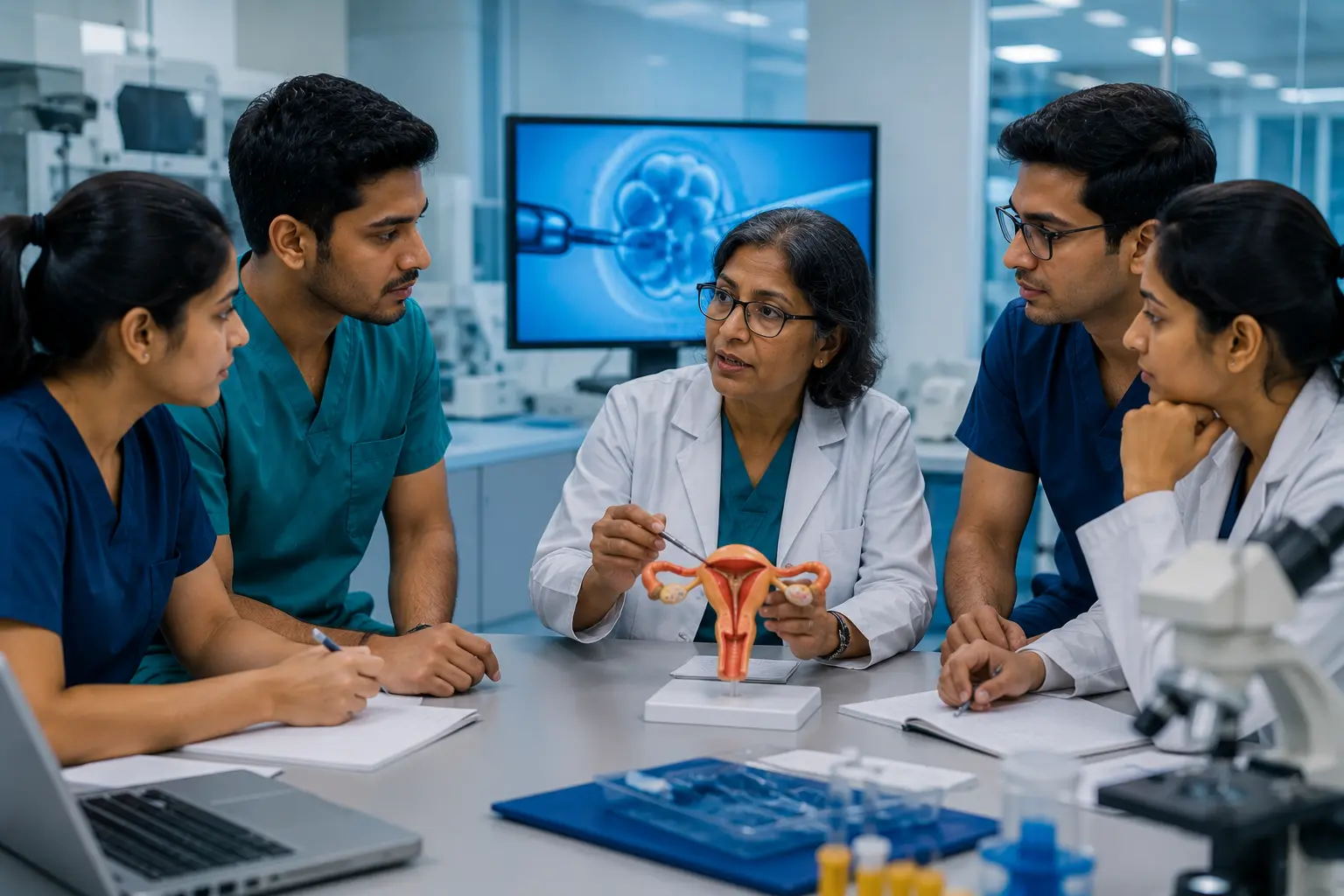
The healthcare industry is becoming increasingly specialized. Employers today seek professionals who not only possess academic qualifications but also demonstrate advanced practical skills, specialized expertise, and a commitment to continuous learning.
As a result, fellowship programmes have emerged as one of the most effective pathways for healthcare professionals seeking meaningful career growth.
Whether you are a doctor, embryologist, fertility specialist, nurse, or allied healthcare professional, fellowship programmes can help bridge the gap between foundational education and advanced professional practice.
The Changing Nature of Healthcare Careers
Healthcare today is significantly different from what it was a decade ago.
Technological advancements, increasing specialization, evolving patient expectations, and evidence-based healthcare have transformed professional requirements.
Organizations increasingly seek professionals who possess:
- Advanced clinical skills
- Specialty-specific expertise
- Practical experience
- Leadership capabilities
- Continuous learning mindset
Traditional qualifications provide a strong foundation, but advanced training often becomes necessary for career progression.
What is a Fellowship Programme?
A fellowship programme is an advanced educational pathway designed to provide in-depth training in a specialized area of healthcare.
Unlike short-term educational courses, fellowships typically focus on:
- Structured learning
- Clinical exposure
- Faculty mentorship
- Case discussions
- Practical applications
- Advanced skill development
The objective is to help professionals achieve a higher level of competence within a particular specialty.
Why Specialization Matters More Than Ever
Modern healthcare increasingly rewards expertise.
Patients today often seek specialists who possess advanced knowledge and experience in specific fields.
Examples include:
- Reproductive Medicine
- Clinical Embryology
- Andrology
- Minimally Invasive Surgery
- Maternal Health
- Hospital Administration
- Critical Care
Professionals who develop specialized expertise often enjoy stronger career opportunities and greater professional recognition.
Benefits of Fellowship Programmes
1. Advanced Knowledge and Expertise
Fellowships provide a deeper understanding of specialty-specific topics.
Participants gain exposure to:
- Advanced clinical protocols
- Emerging technologies
- Evidence-based practices
- Complex case management
This knowledge often exceeds what can be achieved through short-term learning formats.
2. Learning from Experts
One of the greatest advantages of fellowship programmes is access to experienced faculty and mentors.
Mentorship provides opportunities to:
- Learn practical insights
- Discuss real-world challenges
- Develop professional confidence
- Refine clinical judgment
The guidance of experienced experts can significantly accelerate professional growth.
3. Practical Exposure
Healthcare is ultimately a practice-oriented profession.
Many fellowship programmes incorporate:
- Clinical observations
- Laboratory exposure
- Simulation-based training
- Case discussions
- Hands-on learning opportunities
These experiences help professionals translate knowledge into competence.
4. Increased Professional Credibility
Employers increasingly recognize fellowship training as evidence of advanced commitment and expertise.
Professionals who complete fellowships often strengthen their profiles for:
- Promotions
- Specialized roles
- Leadership positions
- Academic opportunities
Advanced training can serve as a strong differentiator in competitive healthcare environments.
5. Strong Professional Networks
Fellowship programmes frequently bring together professionals from diverse backgrounds and institutions.
Participants often build valuable relationships with:
- Faculty members
- Clinical experts
- Industry leaders
- Fellow healthcare professionals
These connections may create future opportunities for collaboration, mentorship, and career advancement.
Fellowship Programmes vs Traditional Continuing Education
Both are important, but they serve different purposes.
Continuing Education
Ideal for:
- Staying updated
- Exploring new topics
- Learning emerging trends
Fellowship Programmes
Ideal for:
- Developing specialization
- Building advanced competencies
- Pursuing long-term career growth
The most successful healthcare professionals typically combine both approaches.
Areas Where Fellowships are Creating Significant Impact
Reproductive Medicine
Growing awareness and demand for fertility services continue to create opportunities for specialized professionals.
Clinical Embryology
Advanced laboratory expertise is becoming increasingly valuable in modern fertility practice.
Andrology
Specialized knowledge in male reproductive health continues to gain importance.
Minimally Invasive Procedures
Healthcare institutions increasingly seek professionals trained in advanced procedural techniques.
How to Choose the Right Fellowship
Before enrolling, professionals should evaluate:
Faculty Expertise
Learning quality often depends on the experience of the teaching faculty.
Industry Relevance
Programmes should reflect current healthcare practices and future trends.
Practical Learning Opportunities
Strong programmes integrate theory with real-world application.
Career Alignment
Choose fellowships that support your long-term professional goals.
Institutional Credibility
Partner institutions and industry collaborations can enhance programme value.
The Future Belongs to Specialized Professionals
Healthcare is moving toward greater specialization, personalization, and technological integration.
Professionals who continuously invest in advanced learning are better positioned to:
- Adapt to change
- Deliver better patient outcomes
- Advance their careers
- Become future leaders within healthcare
Fellowship programmes provide a structured pathway to achieve these objectives.
Final Thoughts
Healthcare careers are no longer defined solely by academic qualifications. Continuous learning, specialization, and practical expertise have become essential components of professional success.
For healthcare professionals seeking long-term growth, fellowship programmes offer a valuable opportunity to deepen expertise, build confidence, and prepare for future career opportunities.
In an increasingly competitive healthcare landscape, investing in advanced professional development may be one of the most important career decisions a healthcare professional can make.